Emergency Drain Service in Santana de Parnaíba: A Day in the Life of a User
By the end of this account, you will know exactly what to expect when you call a desentupidora Santana de Parnaíba SP for a blocked drain or sewer backup. I will walk you through a real day—from the first gurgle in the kitchen sink to the final flush test—so you can decide whether a professional service is worth it and how to avoid the common traps. This is not a sales pitch; it is a field report from someone who compared three local providers and chose one based on clear criteria.
What You Need to Have Ready Before the Team Arrives
Before you dial, gather three things: the exact address with any access codes, a rough description of where the water backs up (sink, floor drain, toilet, or all of them), and whether the problem is inside the house or at the street connection. This information helps the dispatcher send the right equipment—a hand auger for a simple clog versus a truck-mounted hydro-jetter for a main line. In my case, the backup was in the laundry area and the street cleanout, so I flagged both.
Also check for any recent changes: new landscaping, heavy rain, or a grease-heavy meal. These clues narrow down the cause. A professional team will ask these questions before quoting, not after they arrive. If a company gives you a firm price over the phone without asking, treat that as a warning sign.
Access and Safety Checklist
- Clear the path to the cleanout and any floor drains—move boxes, mats, or furniture.
- Turn off the water supply to fixtures that are backing up, if possible.
- Keep children and pets away from the work area; hydro-jetting can spray debris.
- Have a towel or mop ready for minor splashes, and confirm the technician has shoe covers.
I also asked whether the company carries liability insurance. A reputable provider will confirm this without hesitation. This is the kind of detail that separates a desentupidora Santana de Parnaíba that stands behind its work from a fly-by-night operation.
The Procedure: From Arrival to Final Test
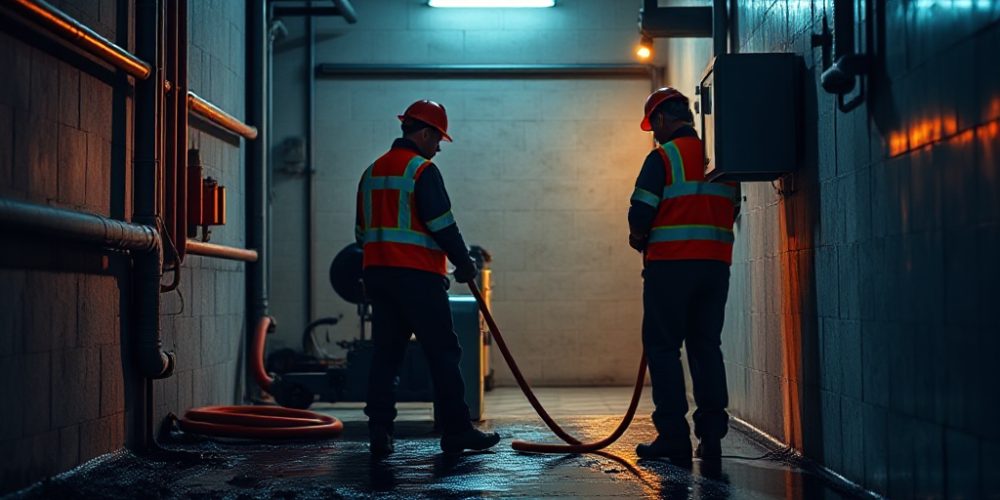
The team arrived within 40 minutes of my call—reasonable for a weekday morning in Santana de Parnaíba. The first step was a visual inspection: they lifted the cleanout cap, checked the water level, and used a flashlight to look for grease or roots. Then came the diagnosis: a combination of grease buildup and tree roots in the lateral line. They explained the options: mechanical snake first, then hydro-jetting if needed.
They started with a motorized auger to break through the soft clog. When that only partially cleared the line, they switched to a high-pressure jetter. The technician warned me that hydro-jetting uses up to 4,000 PSI and can damage fragile pipes, so they first confirmed the pipe material (PVC, which is safe). The process took about 90 minutes, including a camera inspection to verify the roots were gone. They showed me the footage on a small monitor—a nice transparency touch.
What Happens If the Clog Is in the Street Main?
If the blockage is beyond your property line, the utility company may be responsible. The technician explained that in Santana de Parnaíba, the local water authority handles main-line issues, but a private desentupidora em Santana de Parnaíba SP can still clear the connection and document the problem for you. They gave me a written report with photos, which I could forward to the utility if needed. That saved me a second visit.
What to Check After the Service Is Done
Once the team packs up, do not just wave goodbye. Run a simple test: fill each sink and tub with a few inches of water, then release it all at once. Listen for gurgling or slow drainage. Flush every toilet twice. If you have a floor drain, pour a bucket of water down it. Any hesitation means the clog is not fully cleared.
Ask for a written summary of what was done, including the method used (auger, jetter, or both), the length of the line cleared, and any recommendations. A good provider will also mention preventive steps—like avoiding pouring grease down the drain or scheduling annual maintenance. Keep the receipt and report for at least a year in case the problem recurs.
Red Flags to Watch For
- Technician suggests a chemical drain cleaner as a permanent fix—these can corrode pipes.
- No camera inspection offered for a recurring clog.
- Price changes after the work starts without a clear explanation.
- No written invoice or warranty on the service.
In my case, the company offered a 30-day warranty on the clearing. That is a reasonable standard for residential work. If a provider refuses any warranty, walk away.
Cost, Timing, and Final Verdict
The total bill came to R$ 380 for the auger plus hydro-jetting, including the camera inspection. That was mid-range among the three quotes I collected. The cheapest option (R$ 250) was a one-man operation with no camera and no written report; the most expensive (R$ 520) included a full video recording and a one-year warranty. I chose the middle option because it balanced transparency and price.
Timing matters: emergency calls after 10 p.m. or on weekends often carry a surcharge of 20–30%. If your backup is not causing immediate damage, schedule for a weekday morning. Also, ask whether the price includes disposal of debris—some companies charge extra for hauling away the extracted grease and roots.
By the end of the day, my drains were flowing freely, and I had a clear record of the work. The key lesson: a good desentupidora Santana de Parnaíba SP will educate you as they work, not just fix the symptom. Use the checklist above, insist on a camera inspection for recurring clogs, and always get the warranty in writing. That is how you turn a stressful emergency into a manageable, one-time expense.